
Full Packing vs DIY Packing: Which Saves More Money?
July 21, 2026
Zone 1 Removals in London: Parking, Permits and What Nobody Tells You
August 8, 2026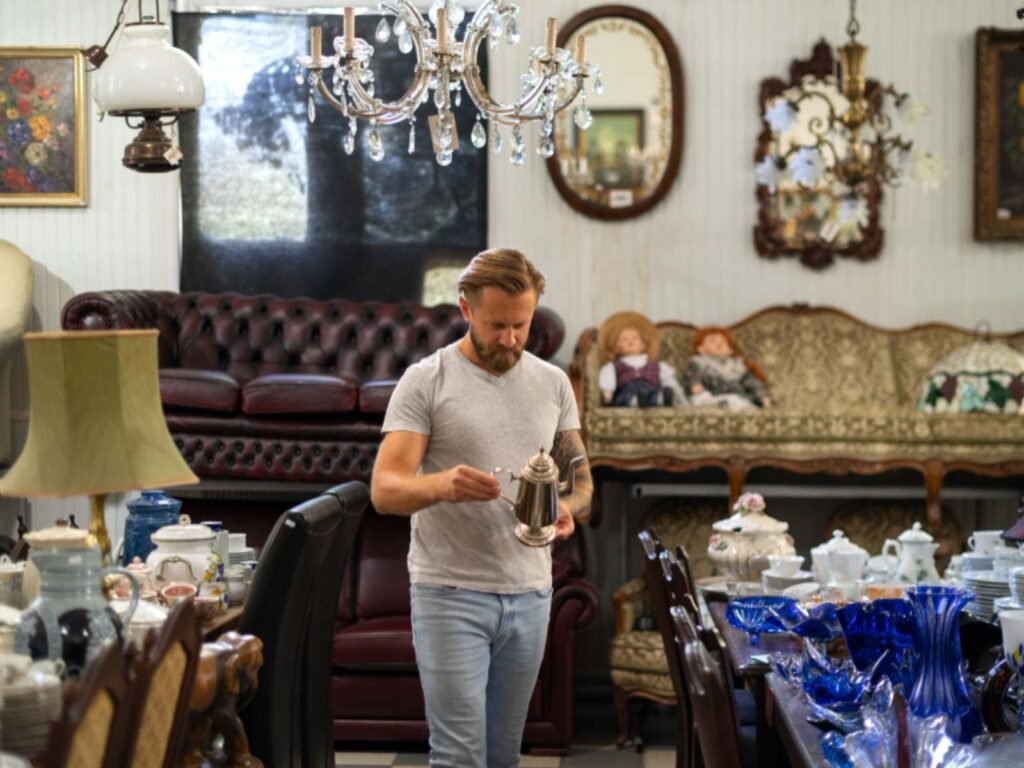
Some items can be replaced. Others cannot. A broken plate from a shop may not hurt much, but a cracked family mirror, damaged heirloom chair, old painting, or antique clock can feel like a real loss. That is why careful planning matters before moving day.
The safest way to move antiques and valuable items is to prepare each piece before you pack it. Use the right packing materials, protect fragile surfaces, load everything carefully, secure items during transport, and unpack them with the same level of care. These simple steps can greatly reduce the risk of damage.
This guide explains each step in detail, practical packing and moving tips, and when to use the help of specialist antique movers.
Table of Contents
ToggleWhy Antiques and Valuable Items Require Special Attention
Antiques and valuable items are more delicate than everyday household goods. Many have both financial and sentimental value, and some cannot be replaced if they are damaged.
Items that need extra care include:
- Antique furniture
- Fine art and paintings
- Grandfather clocks
- Chandeliers
- Collectibles
- Rare books
- Musical instruments
- China and crystal
- Jewellery
- Family heirlooms
These items can be damaged by vibration, moisture, temperature changes, or improper handling. Wood can crack, glass can chip, paint can peel, and joints can become loose.
That is why moving antiques and valuables requires careful planning, the right packing materials, proper handling, and secure transport.
The Importance of Proper Packing Materials
Good packing materials make a big difference when you move antiques and valuable items safely. Weak boxes or basic wrapping may not provide enough protection for fragile or high-value belongings.
Professional movers often use:
- Heavy-duty moving blankets
- Custom-sized boxes
- Foam padding
- Bubble wrap
- Corner protectors
- Packing paper
- Wooden crates
- Stretch wrap
- Specialty cartons
Each item needs the right type of protection. For example, a painting needs different packing than an antique table, while a crystal requires different care than a grandfather clock.
The right materials reduce movement, absorb shocks, and help prevent scratches, cracks, dents, and other damage during transport.
Steps of Moving Fragile and Valuable Items Safely
Moving fragile and valuable items safely takes more than wrapping and hoping for the best. You need to prepare each item before it leaves the room. These steps tell you how to protect antiques when moving house:
Step 1. Make an Inventory Before You Pack
Before packing, make a list of every valuable item. Take photos from different angles and note any existing scratches, cracks, or loose parts. Measure large items like wardrobes, cabinets, mirrors, and pianos to make sure they fit through doors, stairs, and lifts.
Include an estimated value and any special handling instructions. A complete inventory helps with planning, insurance, and keeping track of your belongings during the move.
Step 2. Check Valuation and Insurance Before Moving Day
Standard moving insurance may not cover the full value of antiques, fine art, jewellery, or family heirlooms. Before moving day, check your policy, understand its limits, and declare any high-value items if needed.
Keep photos, receipts, appraisals, and other records for valuable belongings. This can make the claims process easier if damage occurs. While insurance covers financial value, many antiques have sentimental value that cannot be replaced, so preventing damage should always be the priority.
Step 3. Use the Right Packing Materials
Choose packing materials that match the item you are moving. Use acid-free tissue or packing paper for delicate surfaces, bubble wrap for cushioning, corner protectors for mirrors and artwork, double-walled boxes for fragile items, and moving blankets for furniture.
Do not place bubble wrap directly on delicate finishes for long periods. For large, fragile, or oddly shaped antiques, custom wooden crates provide the highest level of protection during transport.
Step 4. Measure the Route Before Moving Day
Measure the item and the exit route. Check doors, stairs, lifts, hallways, garden paths, and parking spaces. In London homes and flats, narrow stairs and tight corners can cause problems.
Do not wait until the item gets stuck halfway down the stairs. If a large cabinet, piano, mirror, or table cannot move through the normal route, you may need extra people, special equipment, or another plan.
Step 5. Label Every Fragile Box Clearly
Label each box with the contents and room name. Add clear notes such as “fragile,” “glass,” “this side up,” or “do not stack.” Use coloured labels for boxes that hold antiques or high-value items.
Clear labels help movers place boxes in the safest part of the van. They also help you unpack the most delicate items first.
Step 6. Keep Small Valuable Items With You
Keep jewellery, small heirlooms, important documents, watches, coins, and small personal valuables with you where possible. These items are easy to misplace during a busy move. Use a small, strong box or bag and keep it separate from the main moving load.
How to Pack Different Valuable Items
Handling antiques and valuables during a move needs different packing methods:
Antique Furniture
- Remove loose drawers, shelves, and other removable parts where possible.
- Wrap legs, corners, and carved details with moving blankets or padding.
- Never lift furniture by handles, arms, trim, or weak joints.
- Secure the protective blankets with stretch wrap or straps.
Mirrors
- Fit corner protectors before wrapping.
- Cover the glass with packing paper or soft foam.
- Wrap the mirror with bubble wrap or a padded moving blanket.
- Keep mirrors upright during transport whenever possible.
Artwork and Paintings
- Cover the surface with acid-free tissue or glassine paper.
- Protect all corners with corner guards.
- Never place tape directly on the frame or canvas.
- Pack valuable artwork in a picture box or wooden crate.
China, Crystal, and Glassware
- Wrap each item separately with packing paper or soft tissue.
- Stand plates on their edge instead of laying them flat.
- Use divider boxes for glasses and stemware.
- Fill empty spaces to stop items from moving inside the box.
Clocks and Lamps
- Remove pendulums, weights, and other loose parts from clocks.
- Pack small parts in labelled bags or boxes.
- Pack lampshades in separate boxes.
- Never place heavy boxes on top of clocks or lamps.
String Instruments
- Use a hard protective case for violins, violas, guitars, and similar instruments.
- Add soft padding inside the case if the instrument can move.
- Keep string instruments away from heat and damp conditions during transport.
Pianos
- Do not move a piano like ordinary furniture.
- Protect the keys, pedals, legs, and polished surfaces.
- Use proper lifting equipment, boards, and straps.
- Plan the moving route before lifting the piano.
Sculptures and Collectibles
- Wrap delicate areas first with soft tissue.
- Add foam padding or bubble wrap for extra protection.
- Pack small sculptures in strong double-walled boxes.
- Use custom wooden crates for large, heavy, or uneven pieces.
How to Load Valuable Items the Right Way
A well-packed item can still break if it sits in the wrong place in the van. Heavy and stable items should go low. Large furniture should sit against secure points where it cannot slide.
Fragile boxes should never sit under heavy boxes. Place them in a protected area with enough padding around them. Do not leave empty gaps inside boxes or around delicate pieces in the van. Gaps allow items to move when the vehicle turns or stops.
Use straps to secure large items, but do not pull straps too tight around old wood, fine finishes, or fragile joints. The aim is to keep items steady without adding pressure. Valuable pieces should not shift, lean, or rub against other items during transport.
Tips for Moving Antiques and Valuable Items
- Use acid-free tissue paper for delicate items instead of newspaper, which can stain some surfaces.
- Wrap each item separately and fill empty spaces in the box to prevent movement.
- Use custom wooden crates for large mirrors, sculptures, chandeliers, and other fragile antiques.
- Only disassemble furniture if it can be done safely without damaging old joints or parts.
- Keep screws, handles, and other small parts in labelled bags attached to the correct item.
- Label boxes containing antiques or fragile valuables, and mark them with “This Side Up” and “Do Not Stack.”
- Load heavy items first and place fragile items where they cannot be crushed or shifted.
- Protect furniture with moving blankets and secure it gently with straps.
- Avoid extreme heat, heavy rain, and damp conditions, which can damage wood, paint, metal, and fabric.
- Plan your route in advance, especially if you need to move through narrow stairs, lifts, or tight spaces.
What Not to Do When Moving Antiques
Here’s what not do when you want to move antiques and valuable items safely:
- Do not use weak boxes. Always choose strong boxes that match the weight of the item.
- Do not overpack boxes. Pack heavy, fragile items in smaller boxes.
- Do not wrap delicate wood directly in plastic. Use packing paper or a soft cloth first.
- Do not lift antique furniture by handles, arms, legs, or decorative trim.
- Do not stack fragile items under heavy boxes.
- Do not rush through stairs, narrow spaces, or tight corners.
- Do not move large antiques without planning the route first.
Professional Packing vs. DIY: What’s Right for You?
Deciding between packing antiques yourself or hiring professional antique movers in London depends on the value, size, and condition of your belongings. If you have rare, fragile, or expensive items, professional packing can provide extra protection. If your valuables are smaller and you have the right materials, packing them yourself may be a suitable option.
| Feature | Professional Packing | DIY Packing |
| Best for | Valuable, fragile, large, or irreplaceable items | Small or lower-value items |
| Packing materials | Professional-grade boxes, padding, blankets, and crates | Materials you purchase yourself |
| Protection | High level of protection with experienced handling | Depends on your packing skills and materials |
| Time | Faster and more convenient | More time and effort required |
| Risk of damage | Lower | Higher if packed incorrectly |
| Cost | Higher upfront cost | Lower upfront cost |
| Good choice for | Fine art, antique furniture, pianos, mirrors, sculptures, and family heirlooms | Books, ornaments, collectibles, and other items you can safely pack yourself |
If you are unsure, a mixed approach often works well. Pack your everyday belongings yourself and leave valuable or fragile antiques to experienced movers.
When to Hire Professional Movers for Antiques and Valuable Items
You may not need movers for every small item, but some pieces deserve expert help. Hire professional movers when an item is heavy, fragile, expensive, rare, or hard to replace. This includes antique wardrobes, fine art, large mirrors, pianos, sculptures, grandfather clocks, chandeliers, and fragile furniture.
Professional help also makes sense for long-distance moves, tight London flats, narrow stairs, small lifts, and moves with limited parking. These problems can turn a simple move into a risky one.
Specialist movers understand how to plan the route, protect weak points, use the right packing materials, and secure items inside the van. If you feel unsure about how to move high-value items with precision and care, it is safer to ask for help before moving day.
How UK Home Removals Helps Protect Valuable Items
UK Home Removals is a London-based house removal company in Crown Lane, Enfield. Our team helps with house removals, packing support, single-item removals, and specialist item transport across London and the UK.
If you need help with moving antiques and valuables, our team can handle antiques, fine art, mirrors, sculptures, pianos, fragile furniture, and delicate items with care. UK Home Removals offers fully insured removals and has a 5-star Google rating.
Message or call Teymour today for a FREE quote:
- Our WhatsApp Numbers: +44 7506 565245 and +44 7495 449541
- Our Address: Flat 3, Block A, 55–59 Crown Lane, London
- Our Working Hours: Monday to Saturday, from 8 am to 6 pm
FAQs
What is the safest way to move antiques?
The safest way is to plan early, take photos, use the right packing materials, and keep each item secure during loading and transport. For large, heavy, rare, or fragile pieces, professional movers can reduce the risk of damage.
Do I need insurance for moving antiques?
Yes, you should check your cover before moving day. Standard cover may not match the value of antiques, fine art, jewellery, or family heirlooms, so declare high-value items and keep written records.
How do you pack fragile items for moving?
Wrap each item on its own with soft paper or tissue first. Add bubble wrap, use a strong box, fill empty gaps, and label the box clearly as fragile.
How do you move antique furniture?
Check for loose parts, protect corners and legs, and avoid lifting the item by handles, arms, or decorative trim. Use moving blankets and straps to keep the furniture safe and steady.
Can movers move fine art?
Yes, many movers can move fine art, but you should ask about packing materials, picture boxes, crates, and insurance before booking. Large or valuable artwork may need specialist packing.
How early should I prepare antiques before moving?
Start at least one to two weeks before moving day if possible. This gives you time to make an inventory, take photos, check insurance, buy materials, and plan the route.
How to pack and protect your most delicate belongings?
Use soft first-layer protection, such as acid-free tissue or packing paper. Then add cushioning, place items in strong boxes, fill gaps, label everything, and keep delicate boxes away from heavy loads.

Related posts